

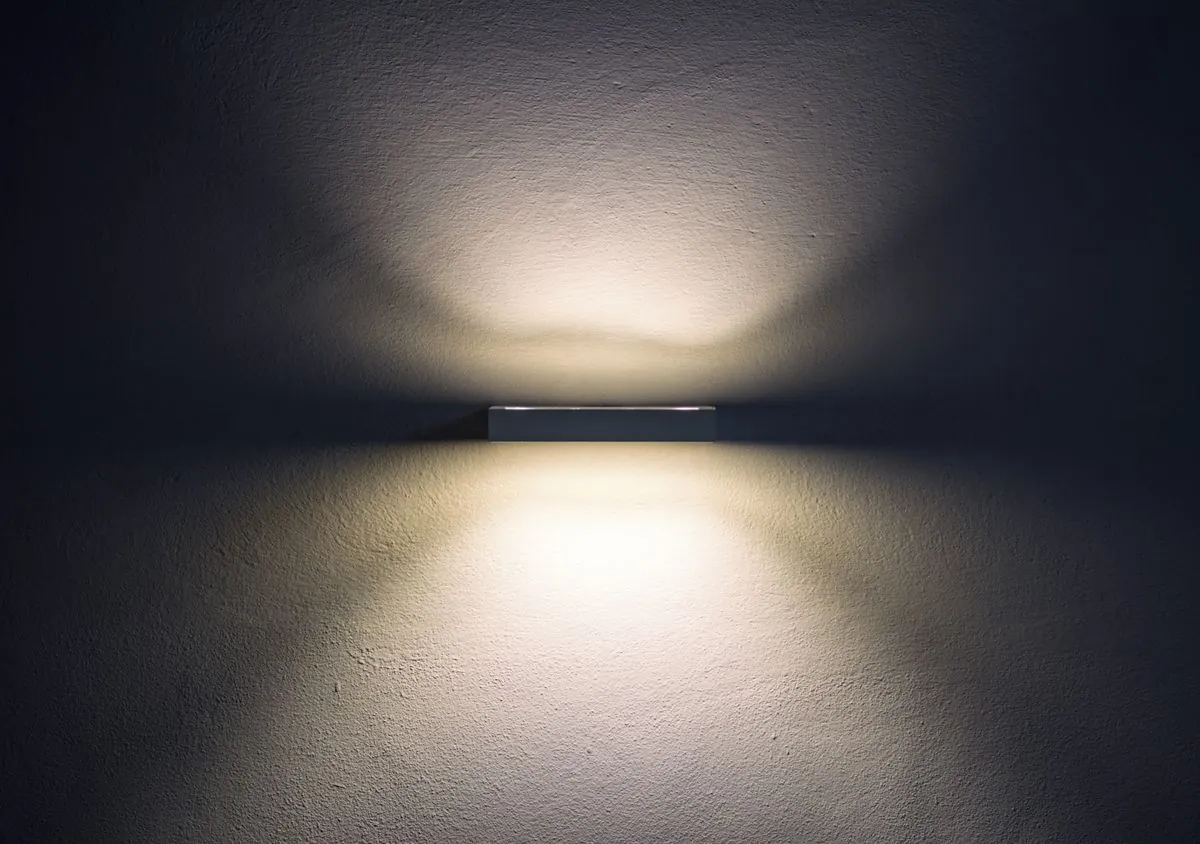
“Downlights” and “spotlights” get used interchangeably, but they’re different fittings that suit different situations. Here’s the distinction and how to choose.
What’s the difference?
A downlight is recessed into the ceiling for a flush, minimal look. A spotlight is surface-mounted and directional — often on a bar, track or plate — so you can angle the light where you want it.
Downlights — pros and cons
- Pros: clean, flush, modern; great for even ambient light.
- Cons: need holes cut in the ceiling; less flexible once placed; need fire-rated fittings between floors.
Spotlights — pros and cons
- Pros: directional and adjustable; no ceiling cutting; ideal for accenting and for rentals.
- Cons: more visible; can look busy if overused.
Which should you choose?
For a clean, built-in look and general lighting, downlights win. For flexibility, accenting artwork, or where you can’t cut the ceiling, spotlights are ideal. Many rooms use both. We’ll design the scheme — see our LED lighting service and our guide to planning a room’s lighting.
Common questions
Neither is universally better. Downlights give a clean, flush look and even ambient light; spotlights are directional and flexible and don’t need the ceiling cut. Many rooms use both.
They need holes cut in the ceiling and, between floors, fire-rated fittings — a straightforward job for an electrician but not ideal for a quick DIY change. We fit them cleanly.
Yes — where a downlight penetrates a ceiling between floors, fire-rated fittings are needed to maintain the fire integrity of the ceiling. We use the correct fittings.
Choosing your lighting?
We’ll design and install the right mix of downlights and spots for your room.
Call 020 7473 7807