
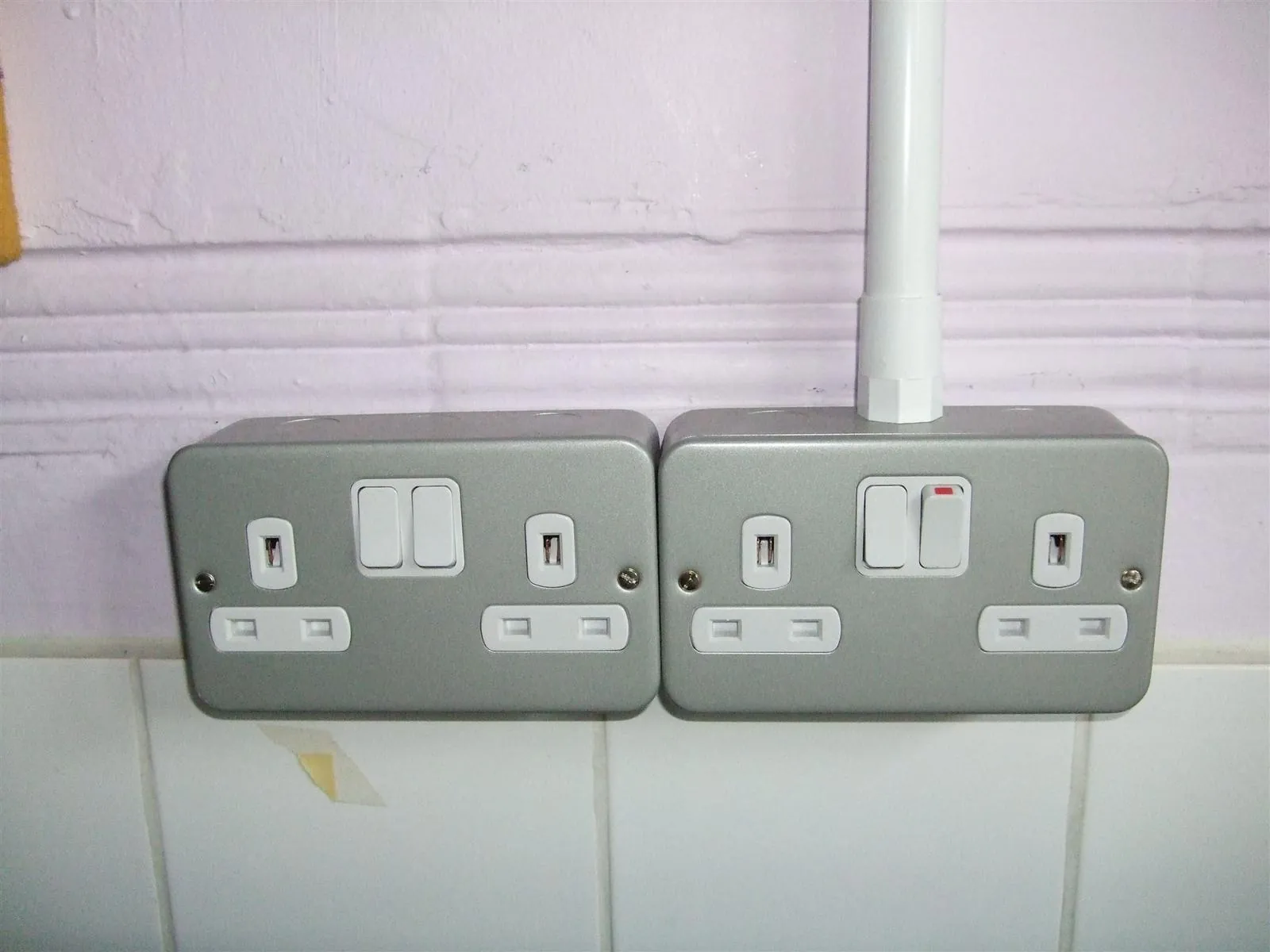
Swapping a socket looks simple, and legally a like-for-like replacement on an existing circuit isn’t ‘notifiable’. But that doesn’t mean it’s risk-free — or always a good idea. Here’s the honest picture.
What the rules say
Replacing a socket faceplate on an existing circuit is generally non-notifiable under Part P, so you don’t have to tell building control. However, the work still has to comply with the wiring regulations (BS 7671), and any work in a special location like a bathroom, or adding a new circuit, is notifiable and should be done by a registered electrician.
The risks of doing it yourself
- Wrong or loose wiring — a loose terminal causes heat and fire risk.
- No testing — an electrician tests polarity and earthing; DIY usually doesn’t.
- Insurance and sales — undocumented DIY electrical work can cause problems with insurers and when you sell.
When you should use an electrician
If the socket is in a bathroom or kitchen splash zone, if you’re adding rather than replacing, if the existing wiring looks old or damaged, or if you’re simply not confident — use a qualified electrician. It’s a quick, inexpensive job for us, done safely and, where needed, certified. See our sockets & lighting service and our guide to Part P.
Common questions
No — a like-for-like socket replacement on an existing circuit is non-notifiable, so it isn’t illegal. But it must still comply with the wiring regulations, and work in bathrooms or new circuits should be done by a registered electrician.
Bathrooms are special locations and electrical work there is notifiable under Part P — it should be carried out and certified by a registered electrician.
It can. Buyers’ solicitors often ask for certificates for electrical work. Undocumented DIY work can raise questions — an EICR is a good way to show the installation is safe.
Rather have it done properly?
Sockets swapped, added or moved by a qualified electrician — safe, tidy and certified where needed.
Call 020 7473 7807