Waltham Forest says it plainly in its own housing evidence: the borough has some of the oldest housing stock in London, sixth highest in the capital for homes built before 1919 and third highest for homes built before 1939. On the published building-age survey about 48% of the borough’s dwellings predate 1919, and across the Walthamstow areas specifically it is higher still, at roughly 55%.
The second thing about E17 is how much of that stock has been subdivided. On the 2021 census, 12% of households in Waltham Forest lived in a converted or shared house, against 3.5% across England — more than three times the national rate. A converted house means two or three separate installations threaded through a building that was wired as one, which is where a lot of the odd faults come from.
Walthamstow also has a building type most of London does not. The Warner estates, built from the 1880s onwards, produced what the company itself called half houses: two-storey maisonettes in a single house-shaped building, with the pairs of front doors set into a shared recessed porch. The council’s own conservation appraisal for Leucha Road, built in 1895, describes them exactly that way. One building, two homes, two supplies, and cable runs that cross between them.
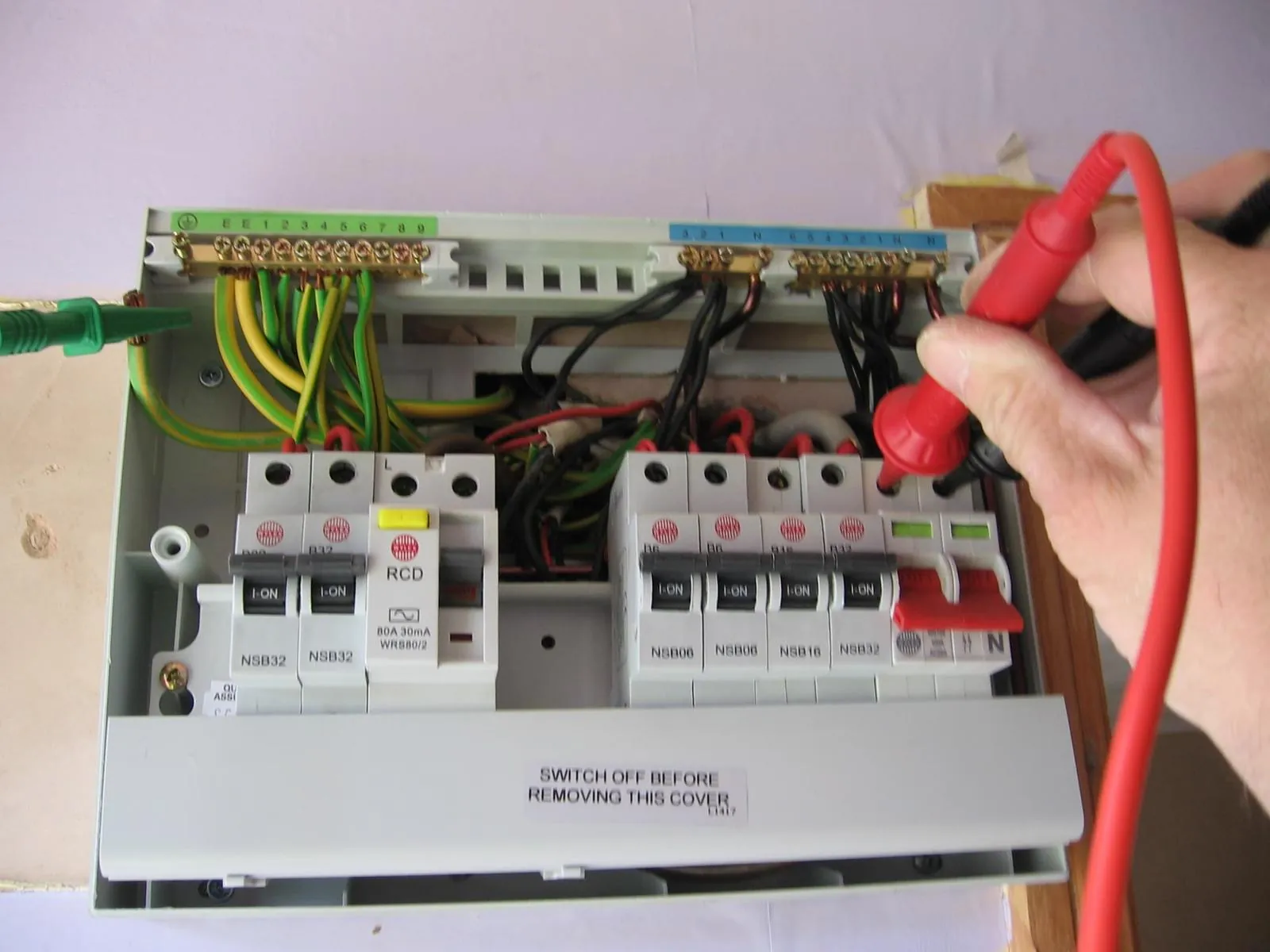
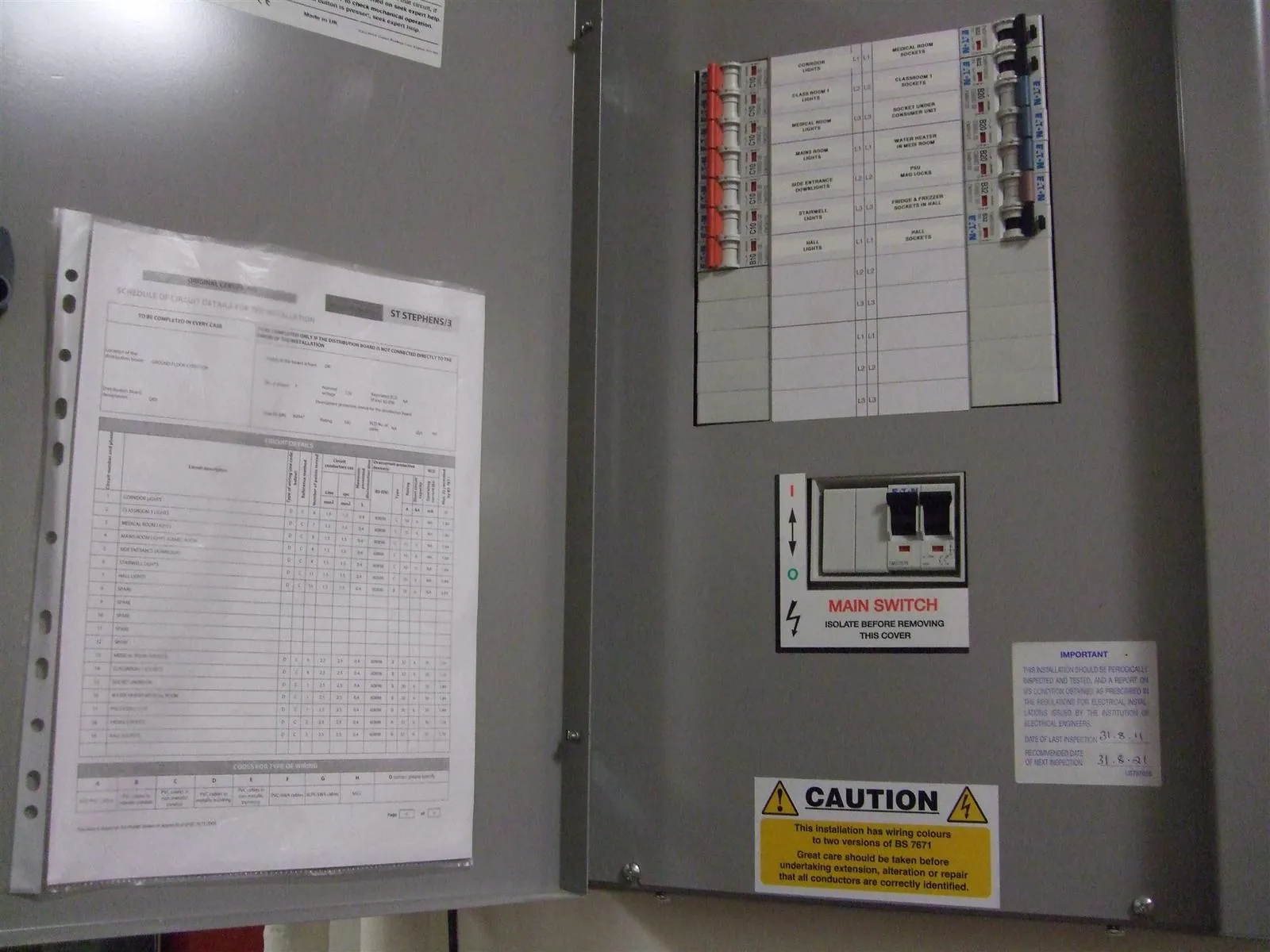
What that age of building can throw up is rarely one big fault. It is more often an accumulation: a board that predates RCD protection, earthing arrangements that were normal when installed, a lighting circuit that never had a protective conductor, and three generations of extensions bolted onto a system designed for a fraction of the load. None of it is certain from the age of a building. Testing is what separates the assumptions from the actual condition.
If you let a property in E17, you are almost certainly inside a licensing scheme. Waltham Forest’s selective licensing designation came into force on 1 May 2025 and runs to 30 April 2030, covering 20 of the borough’s 22 wards, and every Walthamstow ward is in it. The licence conditions require every electrical installation to be in proper working order and a safety declaration on demand. Separately, the national rules require most private rented homes to have an Electrical Installation Condition Report renewed at least every five years.

 Fully Insured£5m public liability
Google
5.0 ★★★★★Customer rating
3-Year GuaranteeOn our workmanship
28+ Years’Experience
Fully Insured£5m public liability
Google
5.0 ★★★★★Customer rating
3-Year GuaranteeOn our workmanship
28+ Years’Experience