Most of what is written about Greenwich is about the park and the river. For an electrician the interesting thing is that SE10 contains two housing markets with almost nothing in common, sitting within a mile of each other.
One half is protected. The Royal Borough of Greenwich has 23 conservation areas and several cover this postcode: West Greenwich and East Greenwich each carry two Article 4 directions, and the Ashburnham Triangle, designated in July 1980, takes in nearly all the pre-1914 buildings on the nine streets inside it. That is a great deal of Victorian and Edwardian housing in a small area, much of it long since converted into flats.
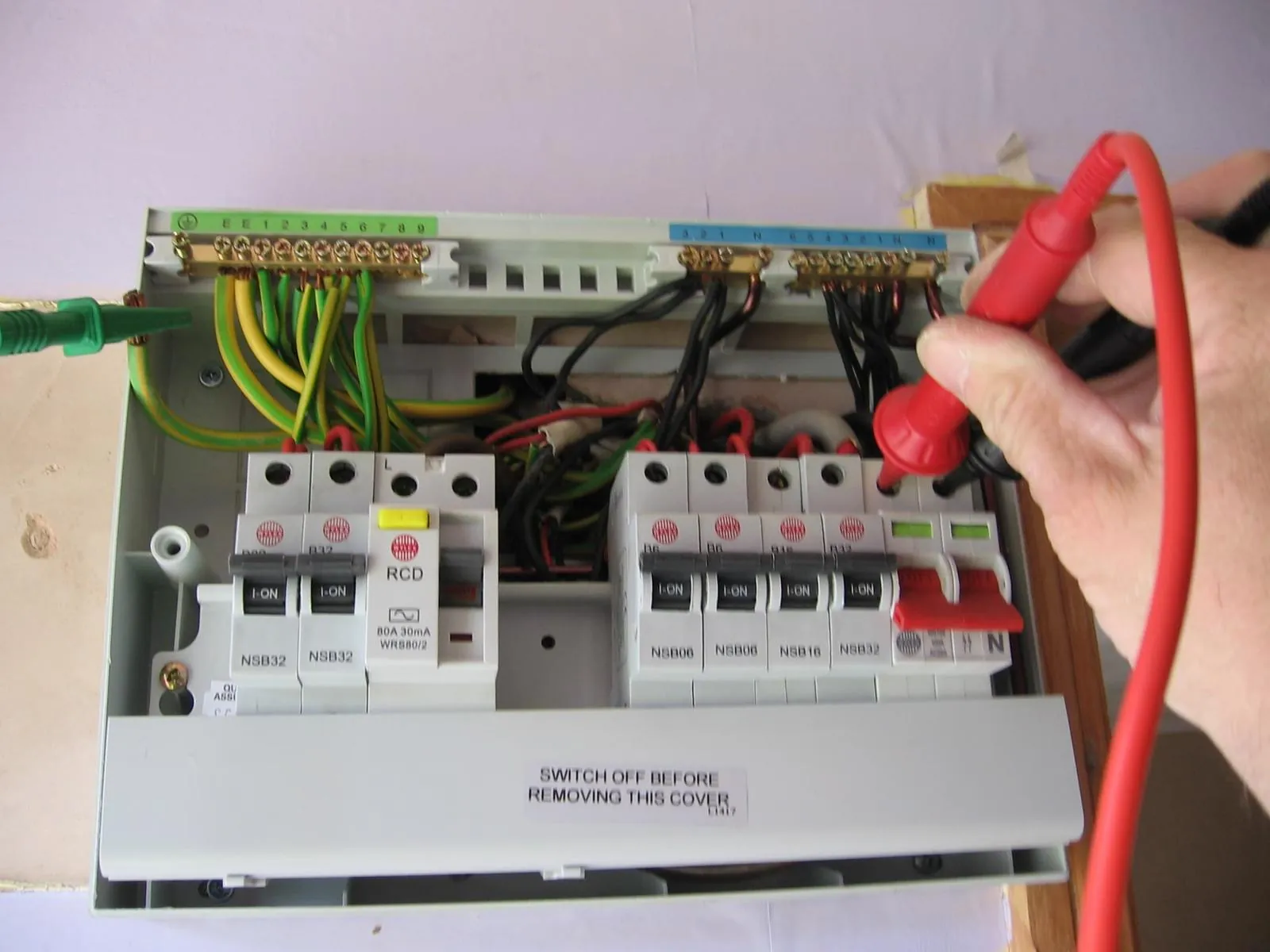
The building-age data bears that out: on the last published survey the Greenwich East area was about 55% pre-1900 and Greenwich Town and Park about 46%. Housing of that age has usually been altered repeatedly, and a lot of it has been subdivided — in the Blackheath Westcombe ward nearly 23% of households live in a converted or shared house, against 6% across the borough. Older converted properties of that kind can carry an ageing consumer unit with limited or no RCD protection, bonding that is not to current practice, lighting circuits without an earth, and successive alterations that were never tied together. Whether any of it applies to a particular property is a question for an inspection rather than for the age of the building.
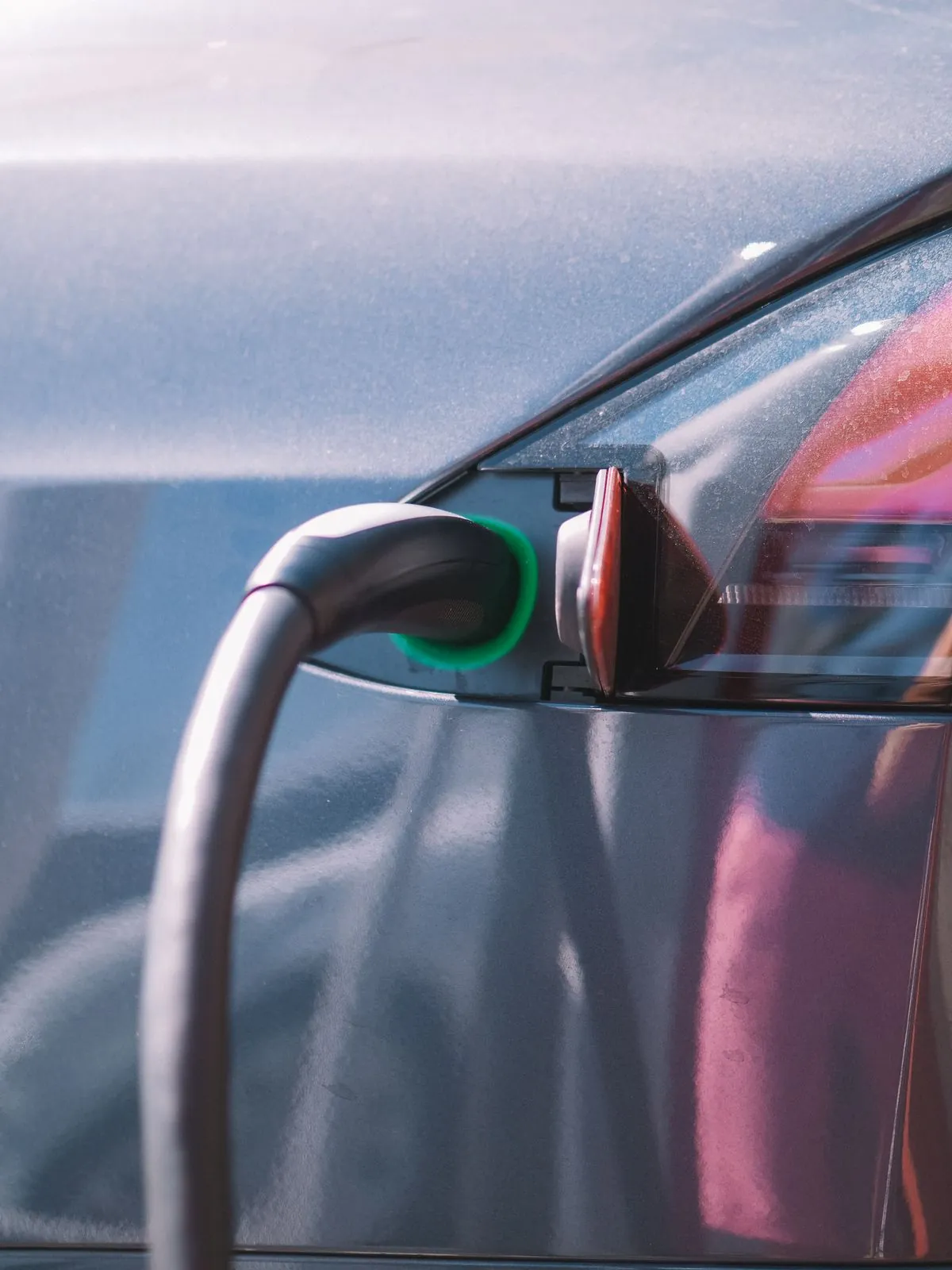
The other half is new, and the numbers invert completely. On the last published building-age survey the Greenwich Peninsula was 51% built since 2000, and the Creekside area 58%. Newer flats are less likely to need a full rewire. What they more often need is extra sockets and circuits, lighting and smart-switching changes, EV charging provision and fault finding, nearly always in a managed building where access is arranged through a concierge or managing agent rather than by turning up at the door.
There is one difference here that matters more than the age of the building. On the 2021 census, 27.5% of households in the Greenwich Peninsula ward were on communal or district heating only and a further 29.5% had electric-only central heating — so roughly three in five homes there have no individual gas boiler at all. Heating, hot water and cooking there lean harder on the electrical installation than in a home with a gas boiler.
Licensing here is worth getting right, because it is easy to half-read. Greenwich’s selective licensing scheme, the one that covers ordinary single-household rentals, applies to the Woolwich and Plumstead wards and runs to September 2027 — SE10 is not in it. But the borough also runs additional HMO licensing, and that one is borough-wide and has applied here since January 2024, covering houses shared by three or more people from two or more households. So a flat let to one family in Greenwich is outside licensing while a shared house on the same street is inside it. The council is also consulting on extending selective licensing to more wards, which would take in parts of SE10, though nothing is decided.
Whichever applies, the electrical duty is the same: most private rented homes need a valid Electrical Installation Condition Report, normally renewed at least every five years. Rental demand here is well above the borough average — on the 2021 census, 39.4% of households in the Greenwich Peninsula ward and 37.5% in Greenwich Creekside rented privately, against 25.5% across Greenwich as a whole. Check your own address on the council’s licensing pages rather than assuming either way. Where a property is a licensed HMO, the licence also sets its own conditions covering who may carry out electrical work in it, so those conditions are worth reading before any work is booked.
We are based at 13 Western Gateway in the Royal Docks, E16, and we do not have a Greenwich office. Since the Silvertown Tunnel opened in April 2025 there has been a direct crossing from our own patch onto the Peninsula. See our completed-work gallery and guide prices.
 Fully Insured£5m public liability
Google
5.0 ★★★★★Customer rating
3-Year GuaranteeOn our workmanship
28+ Years’Experience
Fully Insured£5m public liability
Google
5.0 ★★★★★Customer rating
3-Year GuaranteeOn our workmanship
28+ Years’Experience