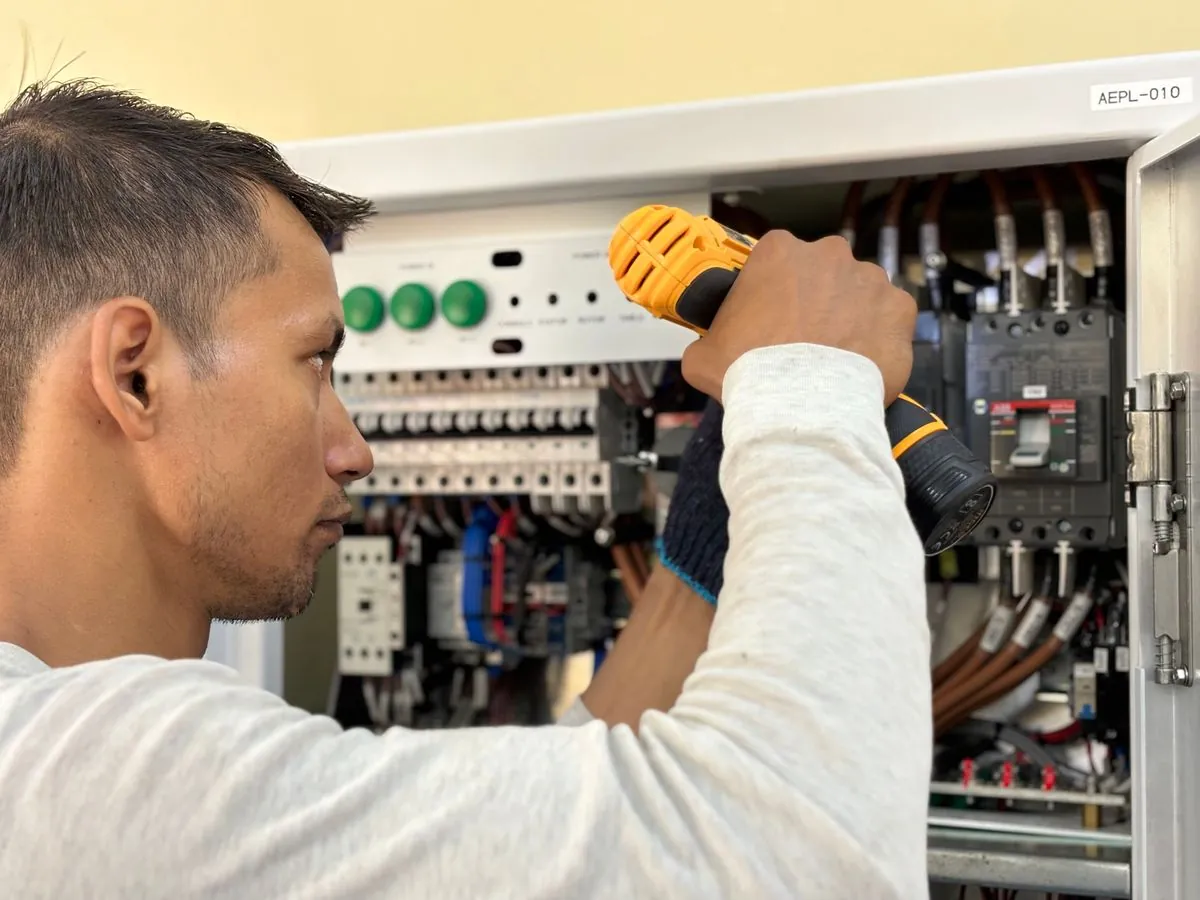
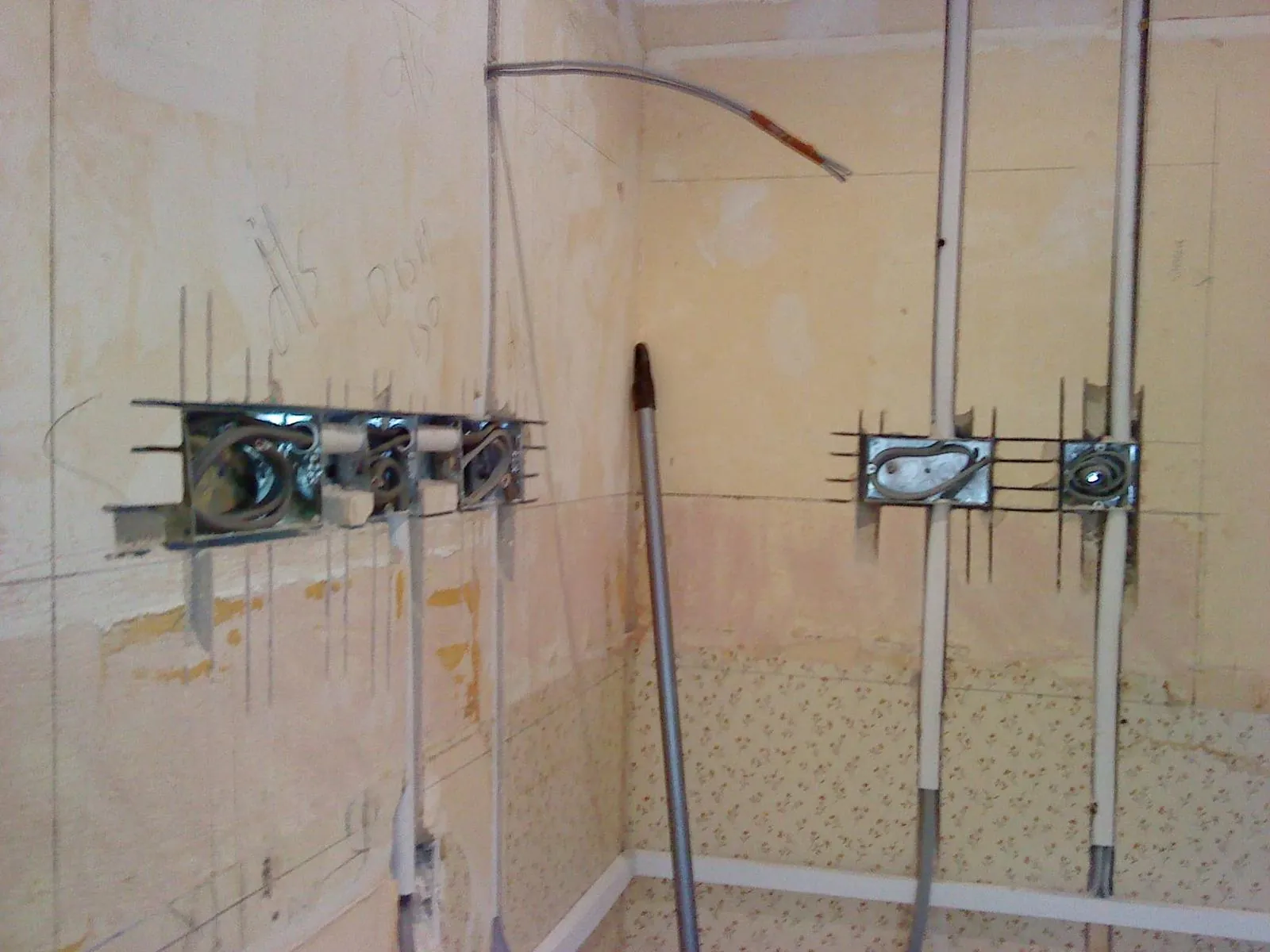
Docklands gets described as a district of converted warehouses. The census says otherwise. In the 2021 census, purpose-built flats accounted for 93.5% of households in the Canary Wharf ward, 91.2% in Blackwall and Cubitt Town and 86.5% in Limehouse, against 80.7% across Tower Hamlets as a whole. Homes in converted buildings of any kind came to under 3% in every one of those wards. There are genuine conversions here, and they are good jobs, but E14 is overwhelmingly purpose-built flats — and that is what drives the electrical work.
The regeneration years explain a large part of that stock. The London Docklands Development Corporation was set up in 1981 and the Isle of Dogs Enterprise Zone followed in 1982. Between 1982 and the end of March 1988 there were 2,819 housing starts on the Isle of Dogs alone, and 2,737 of them were for sale. Across Docklands the owner-occupied share of households rose from 5% in 1981 to 36% by 1990. The Survey of London records that most of what went up then was conventional brick-and-tile housebuilding by national volume builders rather than anything experimental.
E14 is not all one vintage, though. Victorian and Edwardian terraces, post-war estates, the 1980s and 1990s waterside schemes and very recent towers all sit within the same postcode, and each leaves a different installation behind it. Common issues we find in the older and mid-period stock include consumer units without RCD protection on circuits that would need it today, bonding that was compliant when installed but is not to current practice, and communal sub-mains and risers that have taken decades of additions. None of that is predicted by the age of a building on its own. An inspection is what establishes what any particular property actually needs.
One practical point for E14. A large share of newer blocks here are what Tower Hamlets calls car-free developments, built with no parking spaces, and controlled parking applies across much of the area. We plan around that rather than being caught out by it. It is also why most jobs here run through a concierge or managing agent for access and a service lift rather than parking at the door.
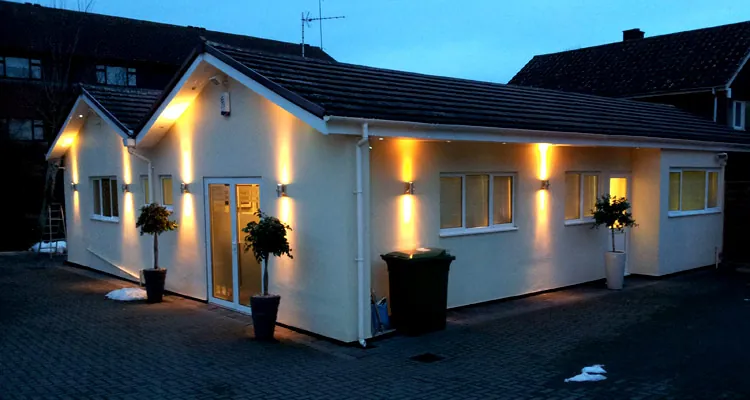
Lighting is the single most common thing we are called to in E14, ahead of remedial work following inspections, PAT testing, EICRs and fire alarm work.
Figures are taken from our own job records and describe the type of work only — we never publish customer names or addresses. See our completed-work gallery and guide prices.
 Fully Insured£5m public liability
Google
5.0 ★★★★★Customer rating
3-Year GuaranteeOn our workmanship
28+ Years’Experience
Fully Insured£5m public liability
Google
5.0 ★★★★★Customer rating
3-Year GuaranteeOn our workmanship
28+ Years’Experience