Canning Town is usually assumed to be Victorian terraces, like much of Newham. It is not, and the reason is the Blitz. The Victoria County History records that by 1945 more than 27% of the houses in the borough had been destroyed, rising to 85% in Tidal Basin and 49% in Beckton Road. Between 1945 and 1965 the council built over 9,500 dwellings to replace them, including the Keir Hardie estate north of the Royal Victoria Dock, one of the largest comprehensive redevelopments in the country.
The figures still show it. On the published building-age data, only about one in five dwellings across the Canning Town and Custom House areas dates from before 1919, against roughly 44% across Newham as a whole, and Custom House is under 5% pre-1919. Around 42% of local homes were built between 1945 and 1982, nearly double the borough rate. There is one real Victorian pocket, out towards Canning Town East and Plaistow, where the pre-1919 share is about half.
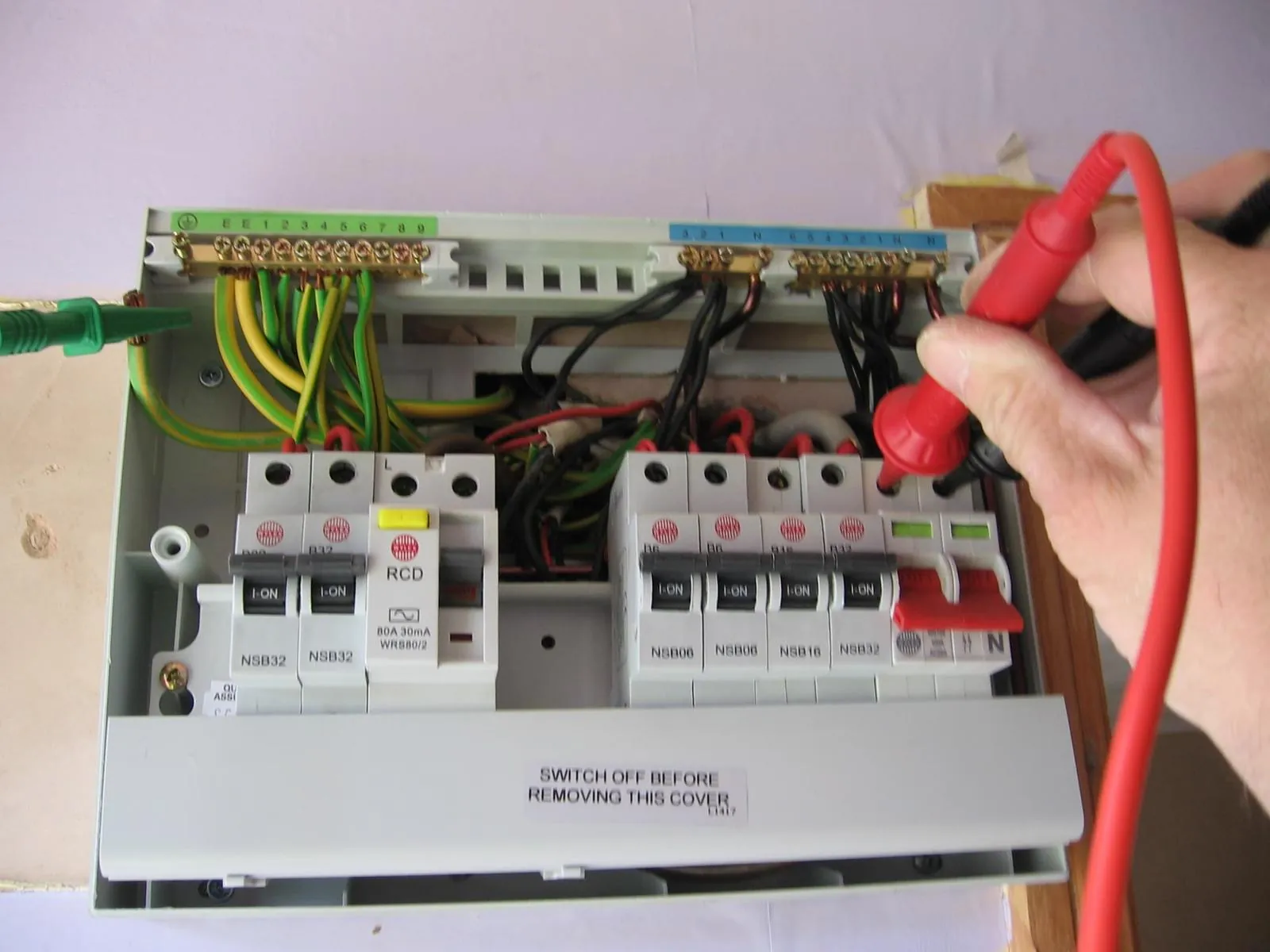
That matters because post-war and 1960s-to-1980s installations fail differently from Victorian ones. Rather than rubber-insulated cable and no earth at the lighting points, the common findings are rewirable or early MCB boards without RCD protection, undersized circuits for modern kitchen loads, aluminium or undersized sub-mains in blocks, and bonding that met the standard of its day. It is also a district of flats: on the 2021 census, purpose-built flats were 78.1% of households in Canning Town South and 60.5% in Canning Town North, so communal risers and landlord’s supplies come into most jobs.
Alongside that sits one of the longest-running regeneration programmes in London, begun by Newham in December 2000 and now a £3.7bn scheme for around 10,000 new homes, of which roughly 3,500 are complete or under way. Hallsville Quarter, Rathbone Market and East City Point have added well over two thousand homes between them. New build brings its own work: additional circuits and sockets, EV charging provision, lighting changes and snagging, rather than rewires.
In E16 the jobs that come up most often for us are lighting, EICRs, cooker and hob connections, fault finding and extractor fans.
Figures are taken from our own job records and describe the type of work only — we never publish customer names or addresses. See our completed-work gallery and guide prices.
 Fully Insured£5m public liability
Google
5.0 ★★★★★Customer rating
3-Year GuaranteeOn our workmanship
28+ Years’Experience
Fully Insured£5m public liability
Google
5.0 ★★★★★Customer rating
3-Year GuaranteeOn our workmanship
28+ Years’Experience