It is worth being specific about what Barking is built of, because it is the opposite of the inner-London pattern. On the 2021 census, 41.6% of households in Barking and Dagenham lived in a terraced house and another 22.1% in a semi-detached one. Only 2.1% lived in a converted or shared house, against 3.5% across England. Inner-London boroughs run four to eight times that. So the subdivided-Victorian-house problem that dominates somewhere like Hackney barely exists here.
What does dominate is social housing. Almost a third of households in the borough rent socially, and 24.5% rent directly from the council — roughly one household in four. That is among the highest council-renting shares in London, and it means a large share of the housing has been maintained, altered and periodically rewired under a single landlord’s programme rather than piecemeal by owners.
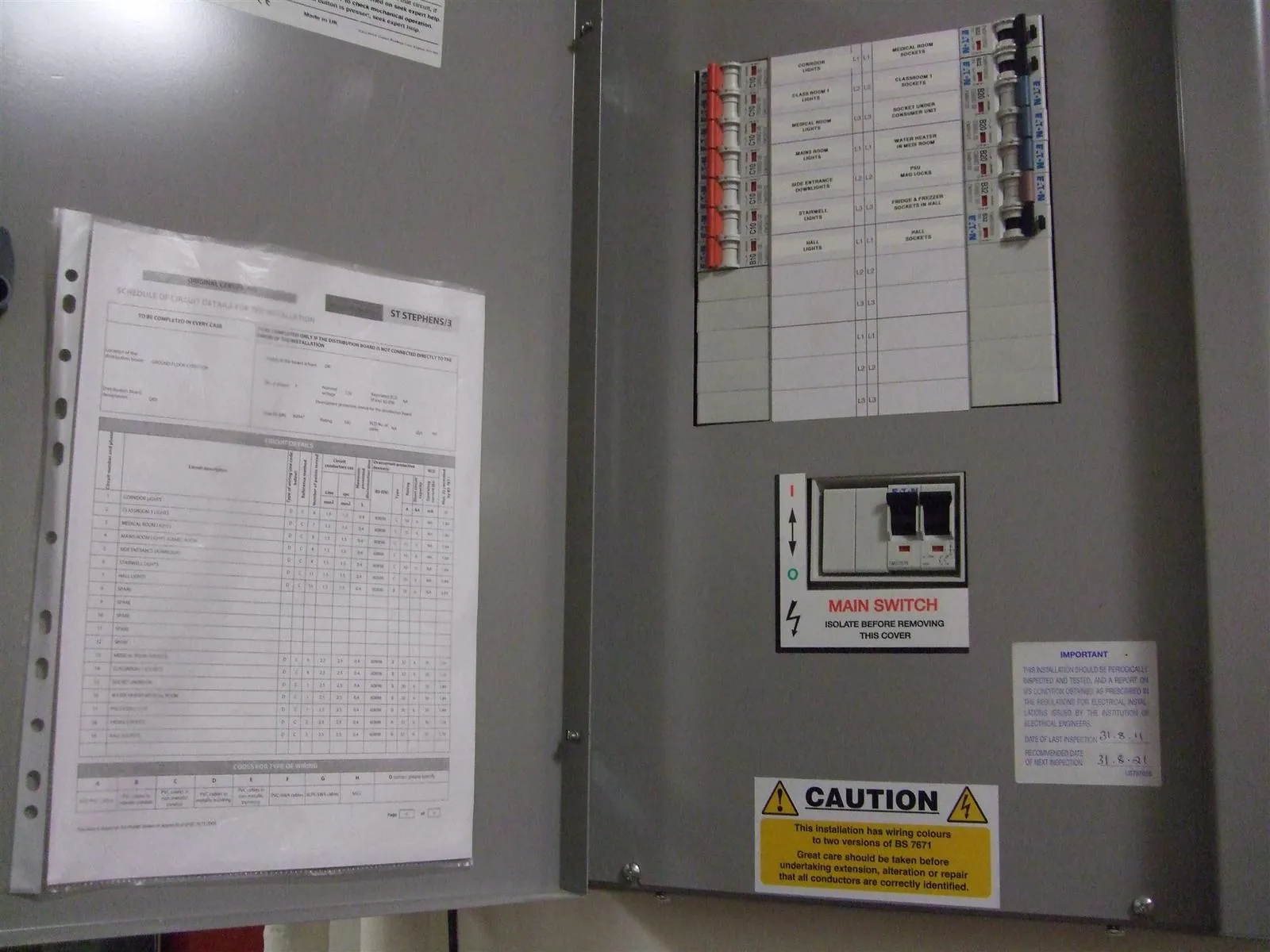
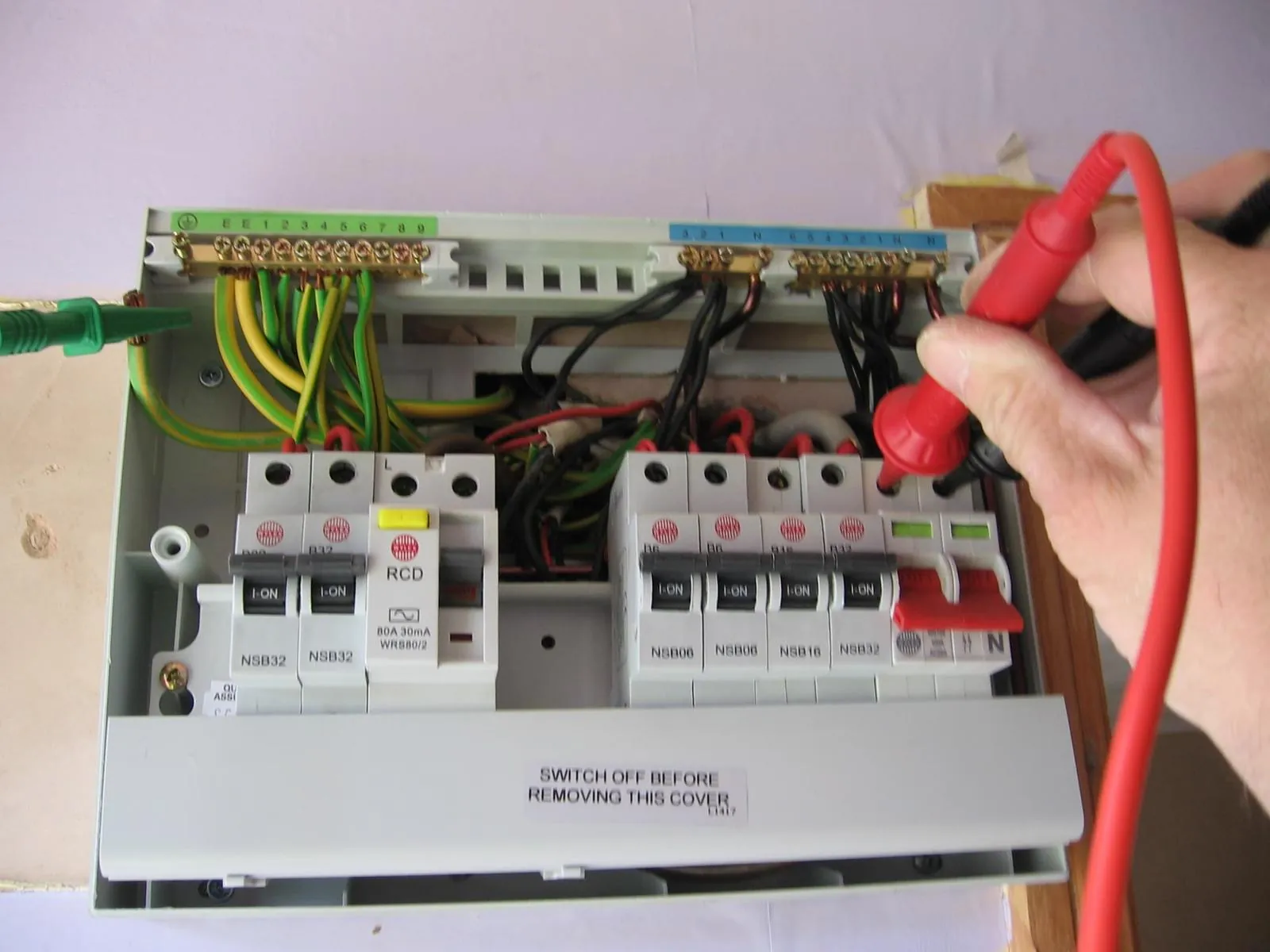
For privately owned and privately rented houses of the same eras, the questions are the familiar ones: whether the consumer unit still has no RCD protection, whether bonding is to current practice, whether a kitchen or an extension was ever properly certified, and whether the incoming supply and meter position still suit how the house is used. Age alone does not decide any of that, which is what an inspection is for.
Barking also has a working industrial frontage along the river and around Ripple Road, which is why a bigger share of the work here is commercial than in most of the areas we cover. Fixed-wire inspection in warehouse and light-industrial units is a different job from a domestic EICR: three-phase distribution, machine and dock supplies, high-bay lighting, and testing that has to be planned around the unit continuing to operate.
If you let a property here, licensing now applies borough-wide in practice. Barking and Dagenham’s selective licensing designation was made in January 2025, came into force on 6 April 2025 and runs to 5 April 2030, across three designation areas covering the borough’s wards — the Barking town-centre wards of Abbey, Gascoigne and Northbury sit in the second of them. The council requires an Electrical Installation Condition Report as part of the licence application, and the national rules require one renewed at least every five years in any case. Licence conditions vary by scheme and by property type, so read the ones attached to your own licence before booking work.

 Fully Insured£5m public liability
Google
5.0 ★★★★★Customer rating
3-Year GuaranteeOn our workmanship
28+ Years’Experience
Fully Insured£5m public liability
Google
5.0 ★★★★★Customer rating
3-Year GuaranteeOn our workmanship
28+ Years’Experience