Houses in Multiple Occupation (HMOs) carry stricter safety obligations than a standard let. Here’s what’s required for the electrics.
EICR frequency
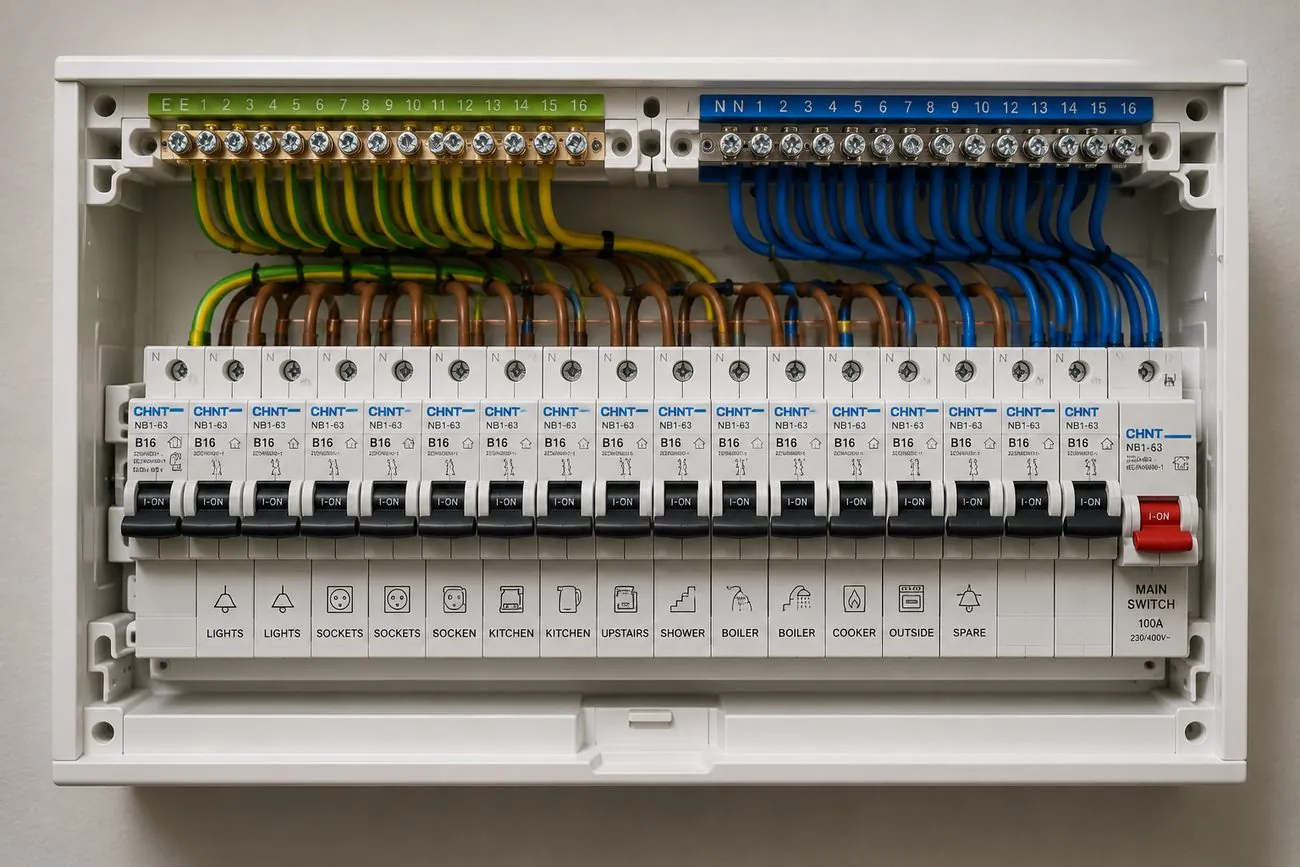
Like all private rented homes, an HMO needs a satisfactory EICR at least every 5 years. Licensed HMOs have long been required to keep electrical installations safe, and your licence conditions may specify inspection and certification.
What else HMOs typically need
- Emergency lighting on escape routes and communal areas, to BS 5266.
- A fire detection and alarm system appropriate to the size and layout, to BS 5839 — see fire alarms.
- PAT testing of any appliances you supply, with a certificate — see PAT testing.
What councils ask for
When licensing or inspecting an HMO, local authorities commonly request the EICR, emergency lighting and fire alarm certificates, and evidence of appliance testing. Keeping these current avoids enforcement.
One team for the lot
We can handle the EICR, emergency lighting, fire alarm testing and PAT together, and keep all your certificates in order — see our landlord package.
Common questions
At least every 5 years, the same as other private rented homes — but check your HMO licence conditions, which can specify inspection and certification requirements.
HMOs typically also need emergency lighting (BS 5266), a fire detection and alarm system (BS 5839), and PAT testing of supplied appliances, with certificates for each.
Most HMOs require emergency lighting on escape routes and in communal areas. We survey the property and install and test it to BS 5266.
Managing an HMO?
EICR, emergency lighting, fire alarms and PAT — from one local team, fully documented.
Call 020 7473 7807