
Landlords hear a lot about “electrical safety standards”, but what do they actually mean? Here’s what the standards require and how they’re checked.
The regulations
The Electrical Safety Standards in the Private Rented Sector (England) Regulations 2020 require landlords to ensure the electrical installation meets the national safety standard and is inspected at least every 5 years.
The national standard: the 18th Edition
“The standard” means BS 7671 — the IET Wiring Regulations, currently the 18th Edition. It sets out how a safe installation should be designed, installed and protected, including requirements like RCD protection.
What an EICR checks against it
An EICR inspects and tests the fixed wiring against BS 7671, checking things like:
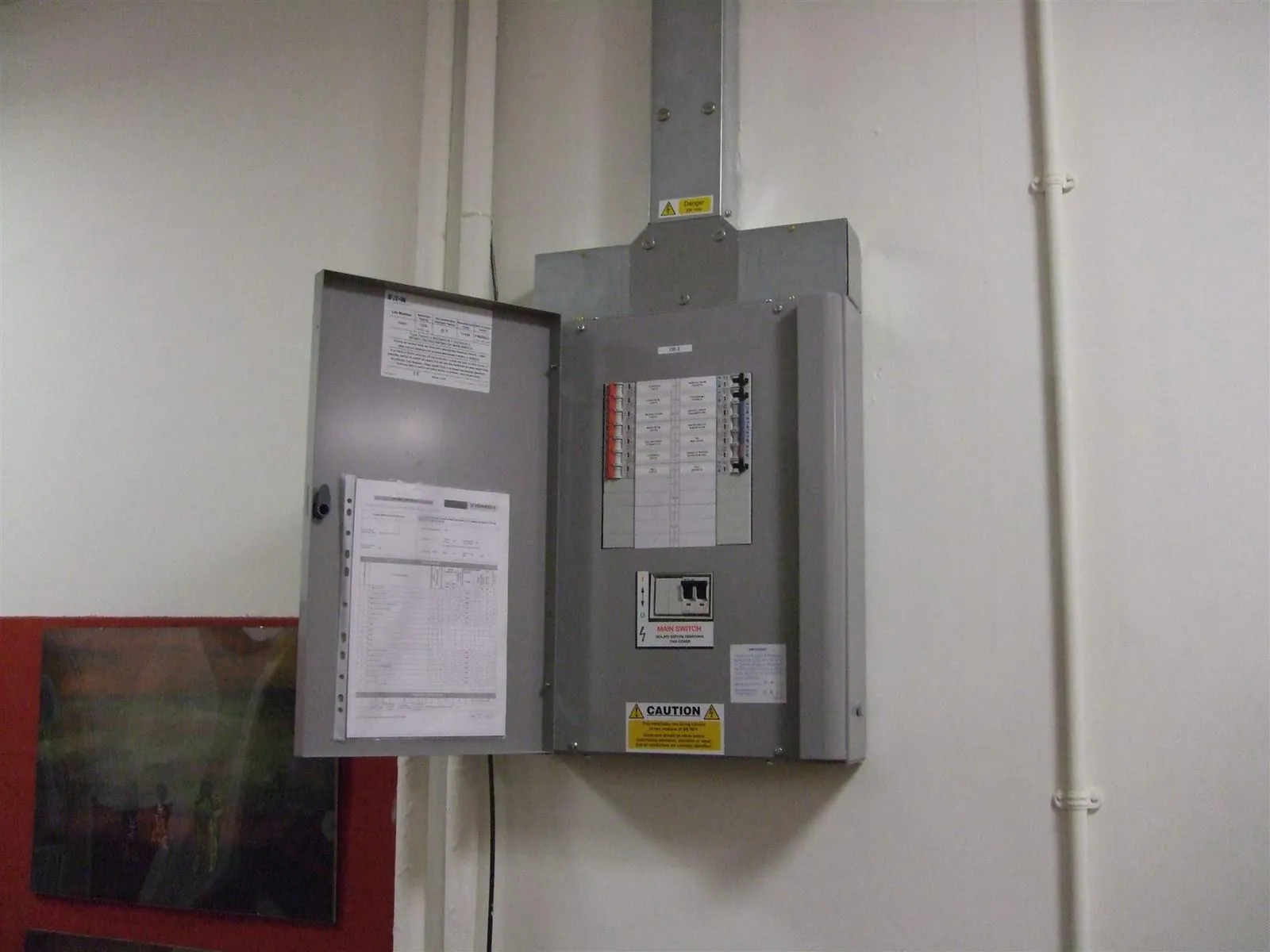
- The condition of the consumer unit and protective devices (RCDs/RCBOs).
- Earthing and bonding.
- The condition of cables, sockets and accessories.
- Any signs of overheating, damage or dangerous DIY work.
Landlord duties and tenant rights
You must provide a satisfactory report to tenants and fix any faults within 28 days. Tenants have the right to a safe installation and to see the report. Our landlord package makes meeting the standard straightforward.
Common questions
The 2020 Regulations require landlords to ensure the installation meets the national standard (BS 7671, the 18th Edition) and is inspected and tested at least every 5 years, with a satisfactory EICR provided to tenants.
BS 7671, the IET Wiring Regulations, currently in its 18th Edition. It’s the national standard defining how a safe electrical installation should be designed, installed and protected.
It inspects and tests the fixed wiring against BS 7671 — the consumer unit and protective devices, earthing and bonding, cables, sockets and accessories, and any signs of damage, overheating or unsafe work.
Meet the standard the easy way
Book a landlord EICR with a City & Guilds team and get any faults fixed in-house.
Call 020 7473 7807