

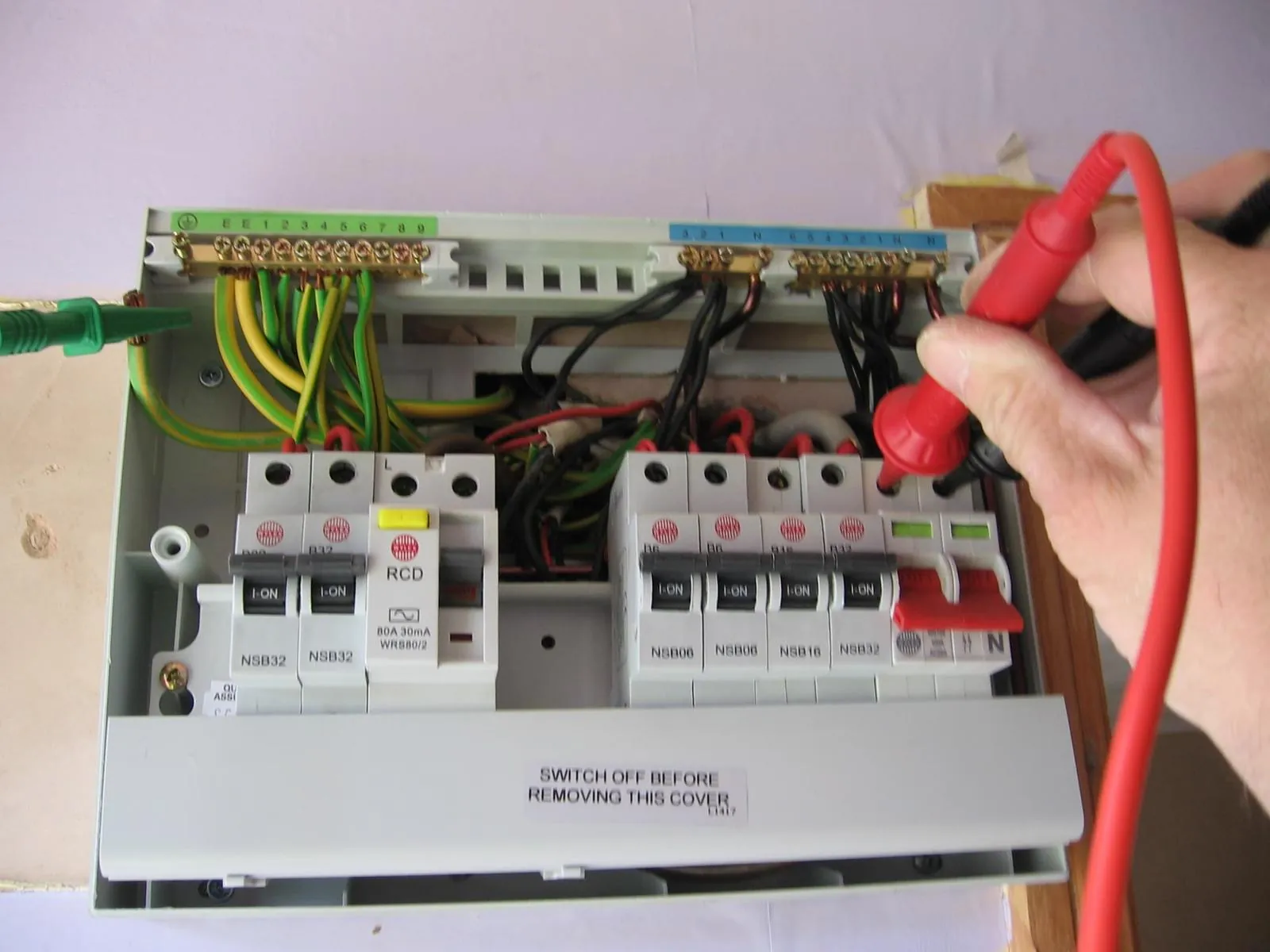
Missing an EICR deadline can be expensive. Here are the key dates every landlord in England needs to know, and the penalties for getting them wrong.
The deadlines
- Every 5 years — a satisfactory EICR at least this often, or sooner if the report recommends it.
- Before a new tenancy — a valid report must be in place before new tenants move in.
- 28 days — to give existing tenants a copy of a new report.
- 28 days — to complete any remedial work (or sooner if specified) and confirm it in writing.
- 7 days — to supply the report to the local authority on request.
The fines
Local authorities can impose financial penalties of up to £40,000 for breaches, and can issue more than one penalty for repeated or ongoing non-compliance. They can also arrange remedial work themselves and recover the cost from you.
How to stay ahead
Diarise your EICR renewal a couple of months early so there’s time to fix anything found. Our EICR service offers fast turnaround, with same-day certificate issue available (+£40), and we carry out any remedial work so you get a satisfactory report without chasing another contractor.
Common questions
Local authorities can impose penalties of up to £40,000, and can issue further penalties for continued non-compliance. They can also carry out remedial work and recover the cost from the landlord.
You must complete remedial work for C1, C2 or FI codes within 28 days of the report (or sooner if specified) and provide written confirmation to your tenant and, if requested, the local authority.
A local authority will usually serve a remedial notice first, but they aren’t obliged to give informal warnings. The safest approach is to keep a valid EICR in place at all times.
EICR due soon?
Book early and avoid the deadline scramble — fast EICRs with remedial work handled in-house.
Call 020 7473 7807