

Extension leads are everywhere, and used properly they’re fine. The trouble is they’re designed for temporary use, and it’s easy to misuse them. Here’s how to stay safe.
The main risks
- Overloading — plugging high-power appliances (heaters, kettles, washing machines) into a lead can exceed its rating and overheat it.
- Daisy-chaining — plugging one extension lead into another multiplies the risk. Don’t do it.
- Coiled cable — a tightly coiled extension reel can overheat under load; always uncoil it fully.
- Damage — leads run under carpets or through doors get crushed and damaged.
Using them safely
Check the lead’s rating (usually 13A) and don’t exceed it, uncoil reels fully, never daisy-chain, and inspect for damage. Use them for temporary needs, not as permanent wiring.
The real fix: proper sockets
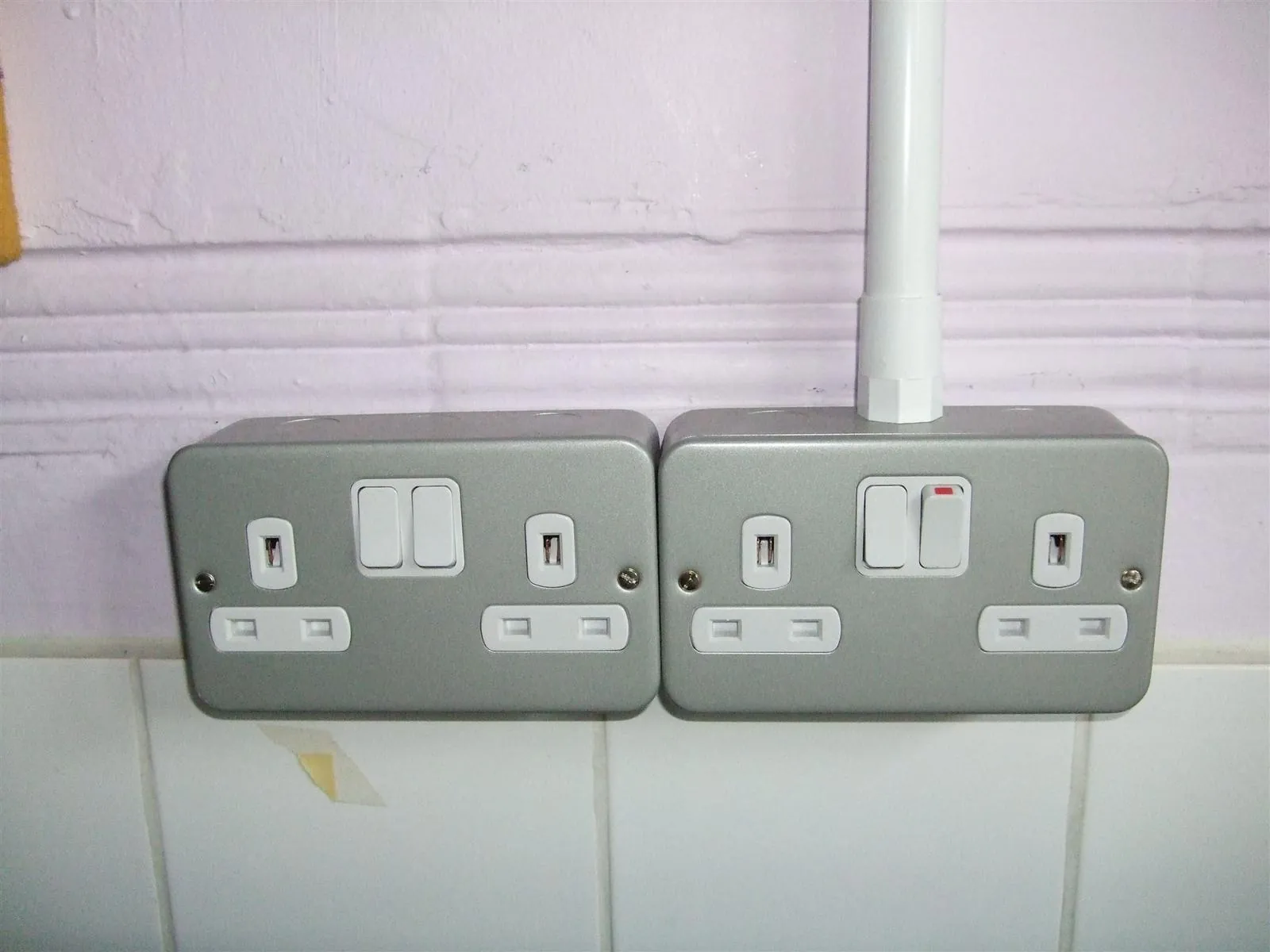
If you’re permanently running a room off extension leads, you don’t have enough sockets. Adding fixed sockets is safer, tidier and inexpensive — see our sockets & lighting service and our guide to the cost of adding sockets.
Common questions
No — daisy-chaining extension leads multiplies the risk of overloading and overheating. Use a single lead within its rating, or better, have proper sockets fitted.
Usually from overloading (drawing more than the lead’s rating) or from using a tightly coiled cable reel under load. Always uncoil reels fully and stay within the rating.
It depends on the lead’s rating (often 13A total) and what you plug in — high-power appliances like heaters and kettles use most of it. If in doubt, fit more sockets.
Running on extension leads?
Swap the clutter for proper, safe sockets — get a fixed-price quote.
Call 020 7473 7807